 English
 عربى
عربى 中文简体
中文简体 Español
- Películas de impresión por transferencia térmica
- Películas de impresión por transferencia térmica de alimentos
- Películas de impresión por transferencia térmica para el hogar
- Películas de impresión por transferencia térmica de botellas de licor
- Películas de impresión por transferencia térmica de barriles de plástico
- Papelería Películas de impresión por transferencia térmica
- Películas de impresión por transferencia térmica de juguetes
- Películas de impresión por transferencia térmica de lechada de azulejos
- Etiqueta en molde (IML)

Enviar comentarios
Película de transferencia de calor con patrón personalizado: solución de decoración versátil para productos
Jul 17,2026
el película de transferencia de calor de patrón personalizado se ha convertido en un método de decoración ampliamente adoptado por los fabricantes que buscan aplicar diseños, logotipos y gráficos complejos a diversas superficies de productos. Esta película lleva un patrón impreso que se transfiere a sustratos como plásticos, metales, cerámicas y textiles cuando se aplica calor y presión durante el proceso de transferencia. Un análisis de mercado reciente indica que las películas de transferencia de calor personalizadas representan una porción cada vez mayor de las soluciones de acabado decorativo debido a su capacidad para reproducir patrones complejos con una calidad constante en grandes tiradas de producción.
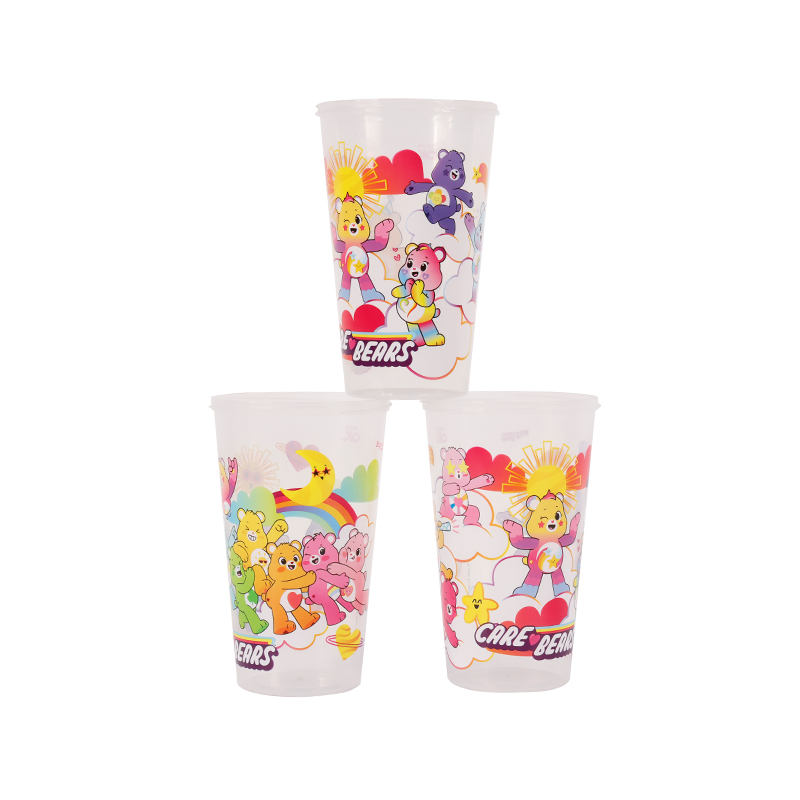
Estructura de la película y mecanismo de transferencia.
el customized pattern heat transfer film consists of multiple layers engineered to deliver the printed design onto the target surface. The base layer is a polyester or paper carrier that provides dimensional stability during printing and transfer. Above this, a release coating allows the printed layer to separate cleanly from the carrier when heat is applied. The printed layer contains the customized pattern, applied using gravure, flexographic, or digital printing methods. An adhesive layer activates under heat and pressure, bonding the design to the substrate. The transfer process requires precise temperature control, typically between 120°C and 200°C, with dwell times ranging from 1 to 10 seconds depending on the film formulation and substrate material.
Opciones de personalización y capacidades de impresión
el film supports virtually unlimited design possibilities, allowing manufacturers to match brand requirements and product aesthetics. The factory offers full-color process printing for photographic images and complex artwork, spot colors for brand matching and solid areas, metallic and holographic effects for premium packaging, and matte, gloss, or textured finishes for tactile and visual variety. Digital printing is available for short runs and rapid prototyping, while gravure is preferred for long production runs. Design proofing is available to verify color accuracy before production, and the design capability covers consumer goods, automotive, cosmetics, and electronics industries.
Compatibilidad y durabilidad de materiales
el customized pattern heat transfer film is compatible with a wide range of substrate materials. Compatible plastics include polypropylene, polyethylene, ABS, and polystyrene. Metals and coated metals are suitable for decorative finishes on appliances and automotive parts. Ceramics and glass are used for tableware and decorative items. Textiles are compatible for garment decoration and soft goods. The film provides strong adhesion and resistance to wear. Key performance characteristics include:
- Resistencia al rayado para productos de manipulación frecuente;
- Resistencia química para productos expuestos a agentes de limpieza o aceites;
- Resistencia a los rayos UV para aplicaciones en exteriores y productos expuestos a la luz solar;
- Flexibilidad para uso en superficies curvas o flexibles sin agrietarse.
Hay diferentes formulaciones de películas disponibles para cumplir con requisitos de durabilidad específicos y se recomienda realizar pruebas antes de la producción completa.
Flujo de trabajo de producción y criterios de selección
el production workflow begins with design and artwork preparation, followed by proofing and approval. Once approved, film production uses the selected printing method for the required quantity, with lead times depending on complexity and volume. After production, the film is slit and packaged for shipment. When selecting a supplier, buyers evaluate substrate compatibility and adhesion requirements, durability expectations for scratch and chemical resistance, production volume affecting printing method choice, artwork complexity affecting cost, and lead time and price. Buyers should request samples and testing before full production to ensure the film meets requirements. The supplier should also provide technical support to help optimize the transfer process and substrate preparation. The film is used across consumer goods, automotive, cosmetics, electronics, and promotional items.
ANTERIOR:Etiquetas de color de transferencia térmica de película PET: solución de impresión duradera para uso industrial
SIGUIENTE:Fábrica de etiquetas en molde para cubos de plástico: avances en la producción para una decoración duradera
SIGUIENTE:Fábrica de etiquetas en molde para cubos de plástico: avances en la producción para una decoración duradera
Deja una respuesta
Su dirección de correo electrónico no será publicada. Los campos obligatorios están marcados *
Productos relacionados
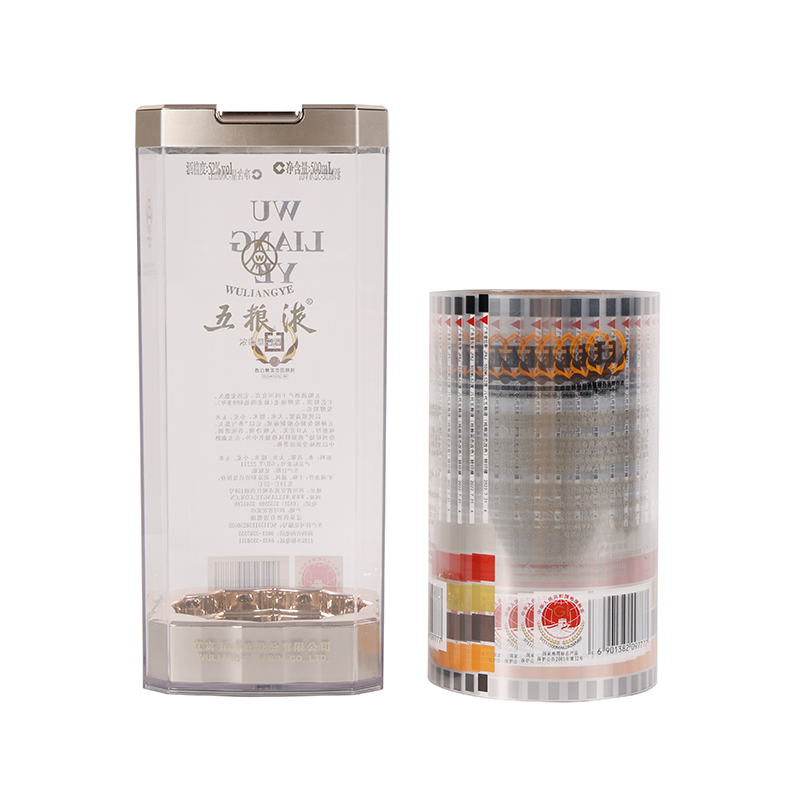
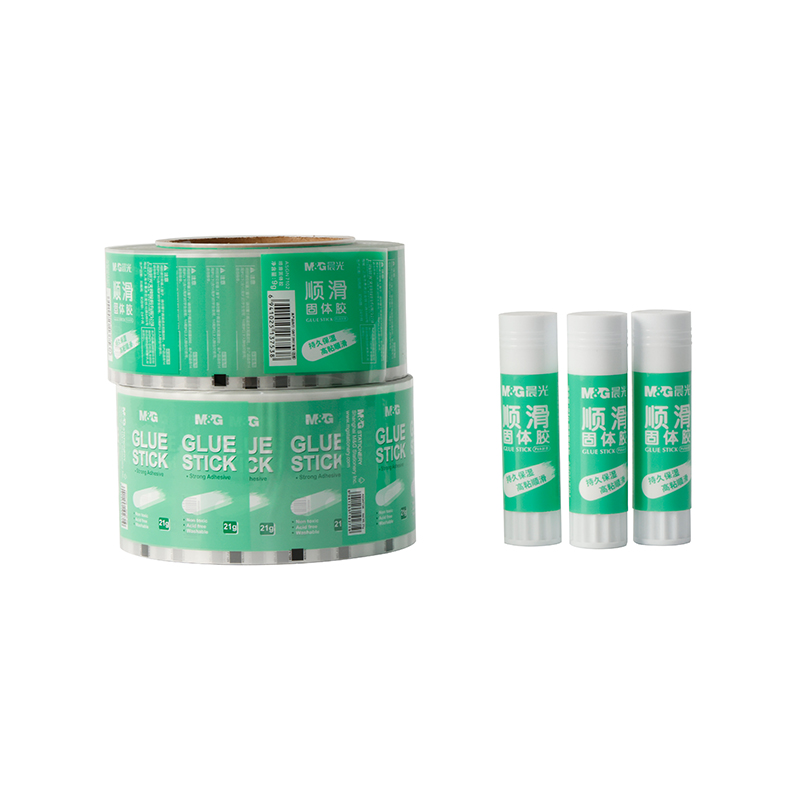
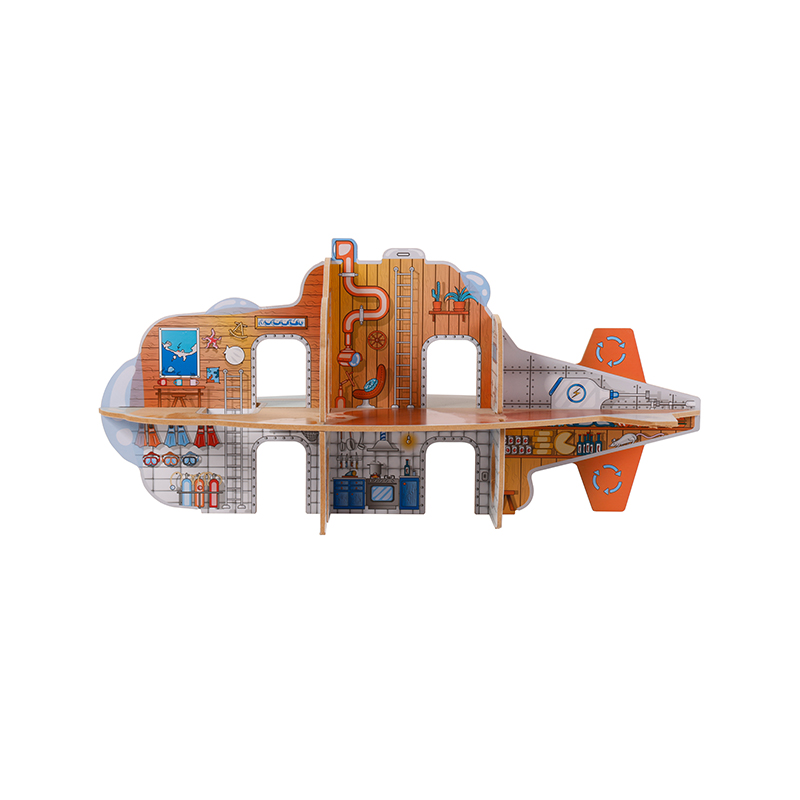

Wenzhou Jiafeng Technology Co., Ltd. se especializa en la investigación y el desarrollo de diversas tecnologías de transferencia de calor y etiquetado en molde.
-
Llama a nuestra oficina
+86-577-64571870
- Enviar un mensaje
-
Nuestra dirección
No. 818, Calle Haixi, ciudad de Longgang, ciudad de Wenzhou, provincia de Zhejiang
Derecho de Autor © Wenzhou JiaFeng Technology Co., Ltd.
